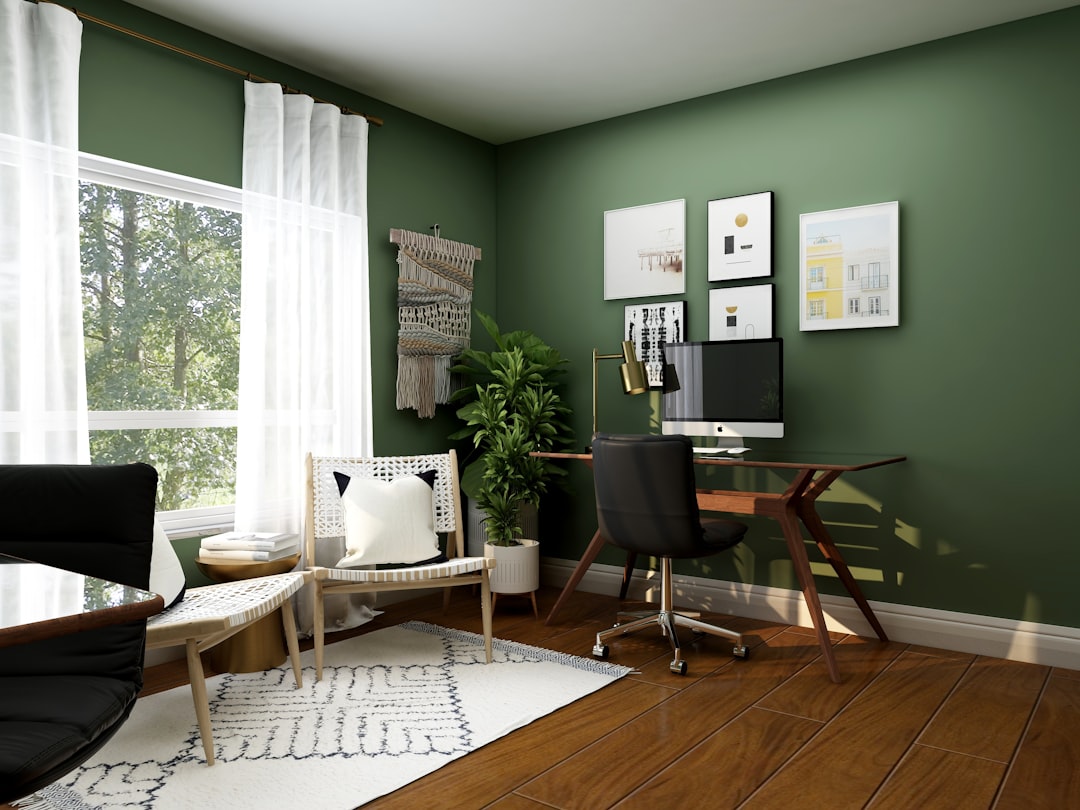
Choosing the right lamp size is less about a fixed rule than about proportion, sightlines, and the furniture around it. This practical lamp size guide gives you reusable measurements for table lamps, bedside lamps, floor lamps, and pendants, plus a room-by-room checklist to use before you buy or rearrange.
Overview
A lamp can be beautiful on its own and still look wrong in a room if its scale is off. A small lamp may disappear beside a deep sofa, while an oversized shade can crowd a narrow nightstand or block a view. The most reliable way to choose a lamp is to measure the furniture first, then select a fixture that supports the room’s function without overwhelming it.
Use these four inputs whenever you are deciding how to choose a lamp:
- The furniture height: A table lamp should relate to the surface it sits on, not just to the room’s ceiling.
- The available footprint: Leave enough space for books, drinks, devices, and everyday use.
- The viewing angle: The bulb and shade should not be in your eyes when you are seated or lying down.
- The lighting task: Reading, general ambience, bedside use, and decorative lighting may call for different shapes and heights.
As a starting point, aim for visual balance rather than perfect symmetry. For a table lamp, the combined height of the table and lamp often looks most natural when it relates to nearby furniture such as the arm of a sofa, the back of a chair, or the top of a headboard. If you want a deeper explanation of proportions, see this lamp size guide for choosing table and floor lamps.
Remember that lamp dimensions usually describe the fixture itself. Confirm whether a product’s stated height includes the shade, finial, or adjustable neck. Also check the shade width, base diameter, cord position, and clearance around the bulb before ordering.
Checklist by scenario
Table lamps for living rooms
Begin by measuring from the floor to the top of the side table. A table lamp that is roughly one-and-a-half times the height of the table is a useful starting point, but the surrounding furniture should make the final decision. On a low side table beside a deep sofa, a taller lamp may provide better presence. On a narrow table beside a high-backed chair, a more compact lamp may feel proportionate.
- Measure the table height, width, and depth.
- Choose a base that leaves usable surface area around it.
- Check the seated eye line: the bottom of the shade should generally sit near eye level or slightly below when you are using the seating.
- Keep the shade from extending so far beyond the table that it feels unstable or vulnerable to being bumped.
- Use matching lamps only when the tables, seating, and sightlines are reasonably symmetrical; coordinated but different lamps can work in less formal rooms.
For living room lighting ideas, combine table lamps with ceiling fixtures or a floor lamp rather than asking one lamp to illuminate the whole room. A dimmable lamp can make the same fixture useful for reading, conversation, and evening ambience.
Bedside lamps
Bedside lamp size depends on the nightstand, mattress height, and whether you read in bed. Measure from the floor to the top of the mattress, then compare that height with the top of the nightstand and the proposed lamp. Many people find a lamp most comfortable when the bottom of the shade is close to eye level while seated in bed.
- Measure the nightstand’s width and depth, including drawers and handles.
- Reserve room for a phone, book, water, or medication if those items stay beside the bed.
- Choose a shade that directs light toward the page without exposing the bulb to your eyes.
- For a shared bed, consider two lamps with similar visual weight, even if their shapes are not identical.
- Check switch access from bed; a beautiful lamp is less useful if its control is difficult to reach.
For small bedrooms, a narrower base, wall-mounted reading light, or plug-in sconce can preserve nightstand space. These are practical bedroom lighting ideas when the room has limited floor and table area.
Floor lamps
Floor lamp height should support the activity below it. A reading lamp usually needs an adjustable arm or a shade that places light over the shoulder and onto the page. An arc lamp needs additional clearance because its arm extends over furniture. A torchiere or ambient floor lamp can be taller because its light is directed upward rather than toward a specific task.
- Measure the height of the chair or sofa where the lamp will be used.
- For reading, position the light slightly behind and to the side of the reader when possible.
- Check that the base does not obstruct a walkway or sit where it can be kicked.
- Measure the lamp’s total reach, not only its vertical height, especially for arc designs.
- Leave clearance from curtains, plants, artwork, and heat-sensitive textiles.
In a living room, a floor lamp can fill an unused corner, frame a reading chair, or add height beside a low sofa. In a small apartment, select a slim profile and use the vertical space without narrowing the main walking route.
Pendant lights over tables and islands
For a pendant, start with the ceiling height and the surface below it. The fixture should provide useful light while preserving a clear view across the table or island. As a practical starting point, leave generous head clearance above a dining or work surface, then adjust for the fixture’s shape, the occupants’ height, and the room’s sightlines.
- Measure from the ceiling junction box to the tabletop or countertop.
- Account for the full pendant length, including the canopy, cord, rod, and shade.
- For multiple pendants, divide the available span evenly and keep the grouping centered over the surface.
- Use the table or island dimensions to determine whether one large pendant or several smaller fixtures will look balanced.
- Confirm that doors, cabinet doors, and sightlines will not conflict with the fixture.
Always follow the fixture manufacturer’s installation and clearance instructions, particularly in kitchens, bathrooms, and rooms with low ceilings.
Desk and home-office lamps
A desk lamp should fit the work surface without reducing usable space. Measure the desk depth and the height of any shelves or monitors. Adjustable arms are helpful when the same desk is used for writing, reading, and screen work. Place the lamp so it illuminates the task without creating glare on the screen; left- or right-side placement may depend on your dominant hand and the direction of ambient light.
For more task-lighting considerations, including screen and video-call placement, refer to these home-office lamp recommendations.
What to double-check
Before purchasing, write down the measurements rather than relying on memory. Product photos can make a lamp look smaller or larger than it is, especially when the image uses a wide-angle lens or shows the fixture beside oversized furniture.
Use the lamp size formula
For a table lamp, record:
- Surface height: floor to tabletop.
- Available footprint: the maximum base width that leaves room for daily objects.
- Target eye line: seated eye height or mattress-related eye height.
- Total fixture height: base, shade, and finial together.
Then check the lamp in the room’s actual position. If the shade bottom is above your eye line, the bulb may be visible. If it is substantially below eye level, the lamp may feel visually low and may direct light into your face or across the tabletop. These are starting points, not strict requirements; shade opacity, bulb position, and the lamp’s purpose can change the result.
Check shade proportions
A shade that is too narrow can make a substantial base look top-heavy. A shade that is too wide may overhang the table or compete with nearby furniture. Compare the shade width with the base and the table rather than judging it in isolation. Also check the shade’s vertical depth: a deep shade may provide softer light but require more clearance.
Check brightness separately from size
A correctly scaled lamp can still perform poorly if its bulb is unsuitable. Decide whether you need ambient, accent, or task light, then review the fixture’s bulb compatibility and dimming requirements. This lumens guide for every room can help you evaluate brightness separately from the lamp’s physical dimensions.
Common mistakes
- Choosing by fixture height alone: A tall lamp may still look undersized if its base and shade are too delicate for the furniture.
- Ignoring depth: A lamp can fit the width of a table and still block a walkway or leave no space for useful objects.
- Forgetting the seated view: A lamp that looks right while standing may expose the bulb when you sit down.
- Overmatching: Identical lamps are not always necessary. Match scale and visual weight first, then coordinate finishes or shades.
- Using one fixture for every purpose: Reading, relaxing, and general illumination often work better as layers.
- Skipping the cord plan: Check outlet location, cord length, and whether the cable will cross a walkway or sit behind a drawer.
- Buying before measuring doorways: Oversized floor lamps and rigid shades need to pass through halls, stairwells, and apartment doors.
When styling lamps with rugs, curtains, or throw pillows, coordinate texture and color without making every element identical. A shade can echo a textile’s warmth or pattern while the lamp base provides contrast. See these decor and lighting ideas for pairing lamps with textiles for a practical way to balance the room.
When to revisit
Use this checklist again whenever the underlying conditions change. Recheck lamp scale before a seasonal furniture rearrangement, after replacing a sofa or bed, or when moving a lamp to another room. A fixture that suited a low console may be too small for a taller sideboard, and a bedside lamp may need to change when the mattress or nightstand height changes.
Revisit the setup if you add curtains, shelves, artwork, or large plants near the lamp. These elements can alter clearances, shadows, and sightlines. It is also worth reviewing the arrangement when you change bulbs, add a dimmer, or introduce smart lighting, since the lamp may take on a different role in the room.
Printable lamp-buying checklist
- Measure the furniture surface, ceiling, and nearby clearance.
- Record the lamp’s total height, shade width, base diameter, and reach.
- Confirm the shade will not expose the bulb from the main viewing position.
- Reserve enough surface or floor space for safe, everyday use.
- Check the fixture’s bulb, wattage, dimmer, and smart-light compatibility.
- Plan the cord route and identify the nearest suitable outlet.
- Compare the lamp’s visual weight with nearby furniture and textiles.
- Test the proposed position at night, from the chair, sofa, desk, or bed where it will be used.
- Save the measurements so you can reuse them when shopping or rearranging.
The best lamp size is the one that fits the furniture, supports the task, and remains comfortable to look at. Measure first, compare proportions in context, and treat these guidelines as a starting framework that can be adjusted for your room and routine.