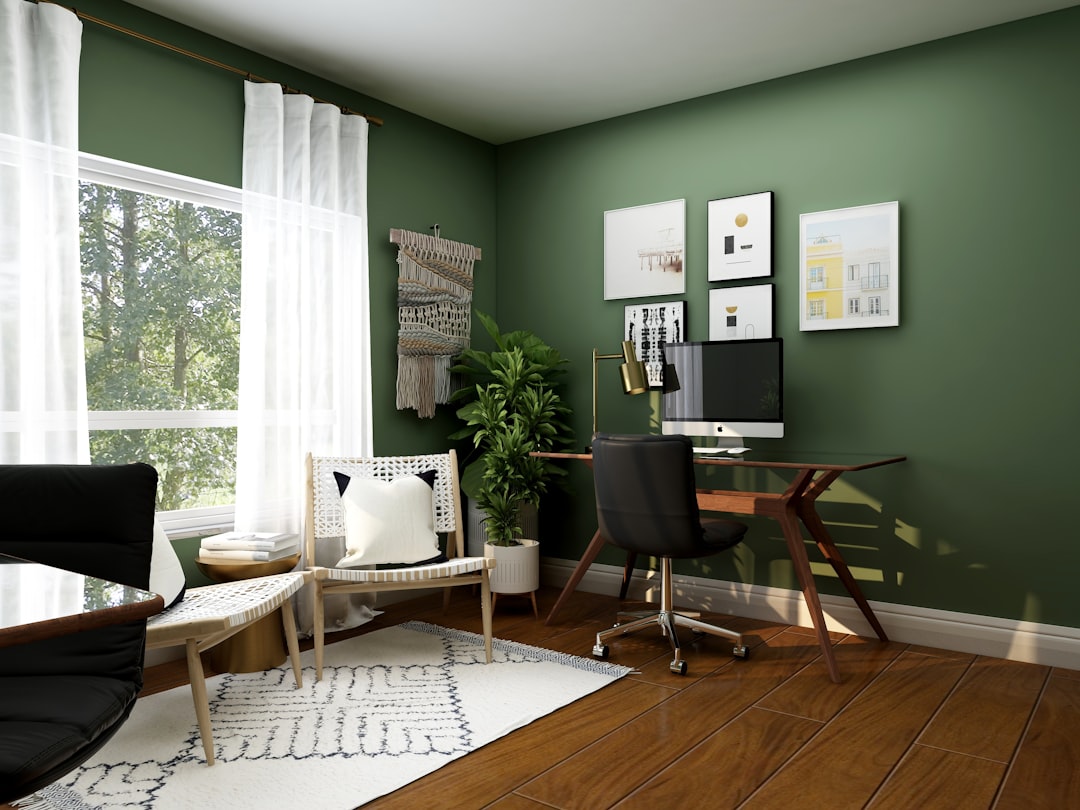
Choosing the right lamp is less about finding a piece you like and more about matching its scale, shade, and light to the furniture around it. This lamp size guide gives you a repeatable way to measure a room, compare table and floor lamp proportions, and check placement before you buy or rearrange.
Overview
A lamp can be attractive on its own and still look wrong in a room if it is too tall, too narrow, too bulky, or poorly positioned. Good proportions make a lamp feel connected to the furniture it serves. Practical placement also matters: a bedside lamp should be easy to reach, a reading lamp should direct light toward the page, and a living room floor lamp should provide illumination without blocking movement.
When learning how to choose a lamp, start with four measurements:
- The furniture height: Measure the table, nightstand, console, or desk where the lamp will sit.
- The lamp’s total height: Include the base, socket, and shade.
- The shade width: Compare the shade with the surface beneath it and the surrounding furniture.
- The available clearance: Check outlets, walkways, shelves, curtains, doors, and nearby seating.
These measurements are more useful than relying on a single universal rule. A lamp that works on a deep living room side table may overwhelm a narrow apartment console, while a compact bedside lamp may look undersized on a large dresser.
As a starting point, a table lamp often looks balanced when its height is roughly one-half to two-thirds the depth of the furniture behind or beneath it. On a nightstand, many people prefer the bottom of the shade to sit near eye level when they are seated or reclining. For a floor lamp, the overall height should suit the ceiling and furniture nearby, while the shade or light source should be positioned to serve the intended task.
Checklist by scenario
Table lamps for living rooms
- Measure the side table’s width and depth before shopping.
- Choose a base that leaves usable space for a drink, book, or remote rather than covering the entire surface.
- Compare the lamp with the sofa arm or chair back. A very short lamp can disappear beside tall furniture; a very tall one may feel visually top-heavy.
- Check that the shade does not extend so far beyond the table that it becomes easy to bump.
- Place the lamp where its glow supports conversation and general ambience, not directly in someone’s line of sight.
For broader living room lighting ideas, combine table lamps with ceiling fixtures, wall lights, or a floor lamp. This layered approach lets you use a lower light level for relaxing and brighter task lighting when reading or working.
Bedside lamps
- Measure from the top of the mattress to the top of the nightstand.
- Prioritize a shade and switch that can be reached without stretching across the bed.
- Choose a lamp whose shade sits close to seated or reclined eye level, reducing direct glare.
- Leave room for essentials such as a phone, water glass, or alarm clock.
- For two nightstands, match the lamps if the room is symmetrical; otherwise, coordinate their visual weight, shade color, and light output.
Small bedside lamps are not automatically the best choice for a small room. A narrow base with a moderate-height shade may use the surface efficiently while still giving the bedroom enough useful light. If you need more guidance on brightness, see How Bright Should a Lamp Be? A Lumens Guide for Every Room.
Desk and home office lamps
- Measure the desk depth and identify where your dominant hand usually works.
- Position the lamp so your writing hand does not cast a shadow across the work area. This often means placing it opposite the dominant hand.
- Make sure the shade or arm does not obstruct your monitor or camera view.
- Look for adjustable height, direction, or shade rotation when the desk serves more than one task.
- Keep the base stable and the cord away from the chair’s wheels or foot space.
A compact adjustable lamp is often more useful than a larger decorative model in a limited workspace. For additional office-specific guidance, read Best Lamps for Home Offices.
Floor lamps beside sofas and chairs
- Measure the distance between the seating and the nearest wall, table, or walkway.
- Choose a footprint that fits securely without becoming a trip hazard.
- Place the light source behind or beside the reader’s shoulder when the lamp is intended for reading.
- Check the shade height from the seated position so the bulb is shielded from direct view.
- Keep doors, drawers, curtains, and heating vents clear.
Arc floor lamps need extra attention because their base and shade occupy different areas. Mark both points on the floor with removable tape before buying. In small apartments, a slim vertical lamp or a corner lamp may preserve more floor space. See Best Floor Lamps for Small Spaces and Apartments for more placement considerations.
Entryways, consoles, and dressers
- Measure the console depth, especially if it sits near a door or narrow passage.
- Use a pair of smaller lamps only when the surface is wide enough to maintain comfortable spacing.
- Keep the shade from colliding with artwork, mirrors, or shelves above the furniture.
- For a dresser, consider whether drawers can open fully with the lamp in place.
What to double-check
Before purchasing, make a simple paper or cardboard outline of the lamp’s base and shade. Place it on the intended surface and view it from the main seating or standing position. This quick test reveals scale problems that product photographs often hide.
Double-check the following:
- Visual balance: A wide, heavy piece of furniture usually needs a lamp with enough mass to hold its place. A delicate table may suit a lighter, narrower design.
- Shade clearance: Confirm that the shade will not touch walls, curtains, shelving, or artwork.
- Bulb access: Check how the bulb is changed and whether the shade traps heat. Follow the lamp and bulb manufacturer’s instructions.
- Light direction: An opaque shade mainly creates a contained glow, while a translucent shade can spread more light. Choose according to whether you need ambience, reading light, or both.
- Switch location: A pull chain, socket switch, cord switch, or touch control may be convenient in different settings. Test the likely reach before committing.
- Color and texture: Shade fabric, wall color, rugs, curtains, and upholstery affect how warm or bright the lamp feels. For coordinated ideas, see How to Pair Lamps With Curtains, Rugs, and Throw Pillows.
Remember that size and brightness are separate decisions. A large lamp is not necessarily brighter, and a small lamp may be suitable if it uses the right bulb and shade. If you want a softer atmosphere, consider a warm-colored bulb and a dimmable fixture where compatible.
Common mistakes
Choosing by lamp height alone
Total height matters, but the base width, shade diameter, and furniture scale matter just as much. A tall, narrow lamp may look unstable on a broad table, while a short lamp with an oversized shade can feel crowded.
Ignoring the seated viewpoint
A lamp may look well placed when viewed from across the room but shine directly into your eyes from a sofa or bed. Sit where the lamp will be used and check the bulb, shade edge, and reflected glare.
Filling every surface
Not every table needs a lamp. Leaving some clear surface around a lamp improves usability and gives the room visual breathing space. In a compact home, one well-positioned floor lamp may serve several seating areas more effectively than multiple crowded table lamps.
Forgetting the cord path
Measure from the lamp to the outlet and plan the cord route before final placement. Avoid running cords across walking paths, under rugs where they may be damaged, or behind furniture in a way that makes cleaning difficult.
Matching lamps without matching function
Pairs do not need to be identical, but they should provide a comparable level of visual and practical weight. A decorative lamp beside one chair and a glaring task lamp beside another can make a balanced room feel inconsistent.
When to revisit
Use this lamp size guide again whenever the furniture, room function, or daylight conditions change. Recheck measurements before seasonal rearranging, moving a sofa or bed, replacing a nightstand, or adding shelves and window treatments. A lamp that worked in an open summer arrangement may become an obstruction after winter textiles, a reading chair, or extra storage is added.
Revisit the setup if you notice glare, shadows, eye strain, an unstable base, or a surface that no longer has enough usable space. Also reassess after changing bulbs or adding smart lighting, since the lamp may now serve a different role in the room.
Final shopping checklist: measure the furniture, record the available clearance, mark the lamp footprint, choose the intended light direction, confirm the switch and cord path, compare the shade with nearby textiles, and test the view from the position where the lamp will be used. Taking these few minutes before buying makes it much easier to choose a table or floor lamp that looks proportionate and works comfortably every day.