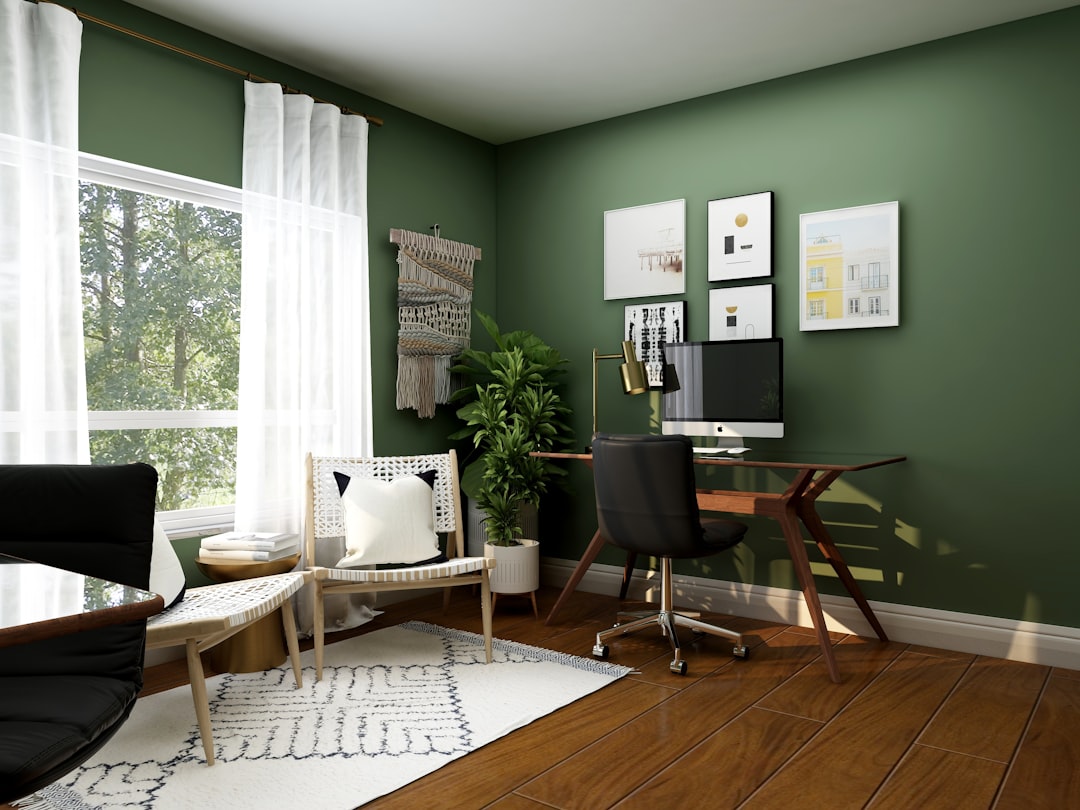
Choosing lamp brightness is easier when you stop thinking in old wattage terms and start with lumens. This guide explains how bright a lamp should be in practical, room-by-room ranges, so you can buy bulbs more confidently, avoid harsh glare, and create lighting that feels useful as well as comfortable. It is designed as a reference you can return to whenever you replace bulbs, rearrange furniture, or set up a new space.
Overview
If you have ever brought home a lamp that looked perfect but felt too dim to read by or too bright for relaxing, the issue was probably not the lamp itself. In most homes, brightness comes down to the bulb, the shade, the lamp’s job, and the room around it. That is why a good lamp brightness guide starts with function rather than a single “right” number.
Lumens measure how much light a bulb produces. More lumens means more visible light. For everyday home lighting ideas, lumens are more useful than watts because watts mainly describe energy use, not brightness. A low-energy LED bulb can produce plenty of light, so two bulbs with similar wattages may perform very differently depending on technology and design.
A practical way to choose brightness is to ask three questions:
- What is the lamp meant to do? Ambient light, reading light, bedside light, accent light, and desk light all need different brightness levels.
- How is the lamp built? A dark shade, narrow shade opening, or upward-facing floor lamp can change how bright a bulb feels in real use.
- What does the room already have? A lamp in a room with overhead lighting needs a different output than a lamp doing most of the work on its own.
As a starting point, many table and floor lamps for general use fall somewhere between about 400 and 1,600 lumens per bulb, depending on purpose. That is a broad range on purpose. A soft bedside lamp may feel right at the lower end, while a reading floor lamp or work-focused living room lamp may need substantially more.
Here is a simple room-by-room reference for common lamp uses:
- Bedroom bedside lamp: roughly 400 to 800 lumens for soft evening use; 800 to 1,100 lumens if you read in bed often.
- Living room table lamp: roughly 800 to 1,200 lumens for general ambient light.
- Living room reading floor lamp: roughly 1,000 to 1,600 lumens, especially if placed beside a chair or sofa.
- Home office desk or task lamp: roughly 900 to 1,500 lumens depending on screen use, paperwork, and surrounding light.
- Accent lamp: roughly 200 to 500 lumens when the goal is mood rather than visibility.
- Entryway or console lamp: roughly 400 to 900 lumens depending on whether there is overhead lighting nearby.
These ranges are not strict rules. They are buying-guide numbers meant to help you narrow choices. A lamp with a translucent linen shade may feel brighter than the same bulb in an opaque drum shade. Cream walls reflect more light than charcoal walls. A compact apartment with low ceilings may need fewer lumens than a large open-plan room.
Color temperature matters too. If you want warm lighting for home, brightness should be paired with a soft, warm bulb rather than solved by reducing lumens alone. Many people choose a bulb that is bright enough for tasks, then use a dimmer or a multi-level lamp to control intensity throughout the day. If you want a cozy setup, that is often more flexible than choosing a bulb that is permanently too dim.
For readers comparing styles as well as performance, lamp design also changes perceived brightness. A sculptural ceramic base with a wide fabric shade can create a diffused glow that suits soft living room lighting ideas, while a pharmacy-style task lamp sends light exactly where you need it. If you are still deciding on the look of your fixture, see Modern vs Traditional Lamps: Which Style Fits Your Home Best?.
Maintenance cycle
The best way to use a lumens guide for home is not once, but on a simple review cycle. Brightness needs tend to change as rooms change. A lamp that felt sufficient in summer may feel weak in winter. A guest room can become a nursery, a reading corner, or a work zone. Even a new rug, darker curtains, or a different lampshade can alter the amount of light a room seems to hold.
A useful maintenance cycle is to review lamp brightness at least twice a year, plus any time you make a noticeable room change. Think of it as seasonal lighting upkeep rather than a one-time purchase decision.
Here is a practical review routine:
- Walk each room at night. Turn on only the lamps you actually use in the evening. Notice where the room feels flat, shadowy, or overly bright.
- Check each lamp’s role. Is it there for ambience, reading, conversation, bedside use, or visual balance? If the role has changed, the bulb may need to change too.
- Review bulb output. If a bulb package or imprint lists lumens, confirm whether the current bulb still matches the lamp’s job.
- Inspect the shade. A yellowed shade, dark replacement shade, or undersized shade can affect output and comfort.
- Test comfort, not just brightness. Sit in the chair, get into bed, or stand at the desk. Lighting should feel usable from the position where you actually spend time.
For bedrooms, revisit lamp brightness when sleep habits shift. If you are scrolling less and reading more, your bedside lamp may need a stronger bulb or better shade geometry. For living rooms, revisit when the room becomes more multipurpose. A space used for conversation alone needs different lighting ideas than one used for reading, puzzles, or remote work.
This is also where dimmable lighting becomes especially helpful. Instead of trying to find one fixed output that suits every hour of the day, you can choose a bulb bright enough for tasks and lower it for calm evening ambience. If that approach appeals to you, see Best Dimmable Lamps for Living Rooms, Bedrooms, and Reading Corners.
In small homes and apartments, maintenance matters even more because one lamp often serves multiple purposes. A floor lamp may need to brighten the whole corner by day and create softer ambient lighting by night. For compact layouts, placement and adjustable output usually matter as much as raw lumens. You may also find useful ideas in Best Floor Lamps for Small Spaces and Apartments.
The point of the maintenance cycle is simple: lamp brightness is not only about what you bought. It is about how the room currently lives.
Signals that require updates
Some lighting problems announce themselves clearly. Others creep in slowly until a room starts feeling vaguely uncomfortable. If you are wondering how many lumens for a living room lamp or the best lumens for a bedroom lamp, these are the signs that your setup likely needs an update.
- You keep adding lamps, but the room still feels dim. This often means the lamps are too low-output for their purpose, the shades block too much light, or the light is concentrated in the wrong places.
- The lamp is bright, but you still cannot read comfortably. In this case, the issue may be direction rather than lumens. A reading lamp should place enough light on the page, not just glow into the room.
- You feel glare when seated. The bulb may be too exposed, too cool in tone, or too strong for the lamp’s height and shade.
- The room looks flat in photos or video calls. This can happen when one bright source creates sharp contrast instead of layered light.
- You changed shades, wall colors, or textiles. Darker finishes absorb light. Heavier drapes and richly colored rugs can make a room feel dimmer than it did before.
- Your room’s function changed. A living room corner that now doubles as a reading or work zone may need a task-level lamp instead of a decorative one.
- You rely on overhead lighting because the lamps no longer feel useful. That usually means your lamp brightness guide needs a refresh, not that lamps are the wrong solution.
There are also style-based reasons to update. A lamp chosen purely for decoration may not perform well once you begin to use the room more actively. Conversely, a bright utilitarian bulb can make a carefully styled room feel cold. Good home lighting ideas sit between those extremes. The fixture, bulb, shade, and room materials should support one another.
If you are trying to keep a room soft and cohesive, textiles matter more than many buyers expect. The texture and tone of curtains, rugs, and pillows influence how warm and diffuse the light appears. A crisp white shade beside cool-toned synthetic fabrics will feel very different from a warm linen shade near textured neutrals. For more on that relationship, see How to Pair Lamps With Curtains, Rugs, and Throw Pillows.
Finally, update your assumptions if you still shop by “40-watt equivalent” or “60-watt equivalent” alone. Those labels can be useful shorthand, but the better habit is to check lumens directly, especially when comparing LEDs across brands or choosing bulbs for specific tasks.
Common issues
Most lamp brightness mistakes fall into a handful of patterns. If your lighting feels off, the fix is usually more precise than buying an entirely new lamp.
1. The bedside lamp is too bright for winding down
This is common when a lamp is used for both reading and relaxing. Instead of choosing the dimmest bulb possible, consider a bulb in a moderate range with a warm tone and dimming control. If you read in bed, a very low-lumen bulb may feel cozy at first but frustrating in practice. You may also benefit from a lamp shape that directs light downward onto the page rather than outward into your eyes. For style and size considerations, visit Best Table Lamps for Bedroom Nightstands.
2. The living room has light, but not enough useful light
In many living room lighting ideas, the problem is not total brightness but poor layering. Two decorative table lamps with soft shades may create mood yet leave seating areas underlit. A simple fix is to pair ambient lamps with one stronger reading floor lamp near the seat where tasks actually happen. For a room meant to feel inviting rather than stark, this usually works better than installing one overly bright bulb in every fixture.
3. A floor lamp overwhelms a small room
Tall lamps with exposed bulbs or bright upward throw can make compact spaces feel top-heavy and glaring. In apartments and tighter rooms, choose controlled diffusion, moderate lumen output, and placement that bounces light gently rather than blasting the ceiling. This is one reason many small apartment lighting ideas favor shaded floor lamps or multi-level dimmable options over harsh open-bulb designs.
4. The lamp looks stylish but performs poorly
Some of the best table lamps are decorative first and functional second. That is not a problem if you know what role they play. An accent lamp on a shelf may only need a few hundred lumens. A reading lamp in the same spot may need three or four times as much and a different silhouette. Before replacing a lamp, ask whether the lamp type matches the task.
5. The bulb is bright enough, but the shade blocks too much light
Dark shades, metallic liners, narrow openings, and low-hanging shade edges can all reduce practical brightness. If a lamp feels weak despite an adequate bulb, inspect the shade before assuming you need more lumens. A lighter interior or wider opening may solve the issue more elegantly.
6. The room feels cold even when it is bright enough
This is where brightness and atmosphere diverge. Many people searching for the best bulbs for cozy lighting actually need a warmer, softer presentation rather than fewer lumens. A room can be bright enough to function and still feel comfortable if the bulb tone, shade material, and surrounding decor work together. For more inspiration on that balance, see Best Lamps for a Cozy Home: Styles, Bulbs, and Placement Tips.
7. The home office lamp is repurposed from another room
A decorative living room lamp often struggles at a desk. If you are using a lamp for focused work, paperwork, or video calls, brightness needs are usually higher and more directional. A dedicated task lamp is often the better answer than simply increasing bulb output in a decorative base. For that setup, see Best Lamps for Home Offices: Task Lighting for Video Calls, Screens, and Focus.
In all of these cases, the key question remains the same: how bright should a lamp be for the way you use the room now? Not last year, not in the showroom, and not in a generic catalog image.
When to revisit
Return to this lumens guide whenever you buy a new bulb, move a lamp, change a shade, or notice that a room no longer feels comfortable after dark. The most practical time to revisit is during seasonal transitions, after a room refresh, or whenever a lamp starts serving a new purpose.
Use this quick checklist:
- Buying a new lamp? Decide whether it is for ambience, reading, bedside use, or task lighting before choosing bulb brightness.
- Replacing bulbs? Check lumens instead of relying only on watt-equivalent labels.
- Refreshing decor? Reassess brightness after changing paint, curtains, rugs, or lamp shades.
- Rearranging furniture? Test whether your reading chair, sofa corner, or nightstand still gets useful light where needed.
- Entering a darker season? Increase task and ambient support where natural daylight drops off.
- Sharing the room differently? If a guest room becomes an office or a living room becomes a family reading zone, revisit lamp output.
If you want a simple rule to remember, start here: choose lower lumens for accent and mood lighting, medium lumens for general table lamps, and higher lumens for reading or task-focused lamps. Then adjust for shade, room size, wall color, and dimming flexibility.
This is also a good topic to review on a regular schedule because lamp shopping trends and room needs shift. Search intent around “how bright should a lamp be” often changes with seasons, new moving cycles, and common home updates. A recurring check helps you keep your setup practical rather than defaulting to whatever bulb happens to be available in the drawer.
For readers still building a cohesive scheme, you may also want to compare style directions before your next purchase. A Scandinavian room may benefit from bright, clean layering, while farmhouse spaces often rely on softer, diffused warmth. Explore Scandinavian Lighting Ideas for Bright, Simple, Functional Rooms and Farmhouse Lighting Ideas Using Table Lamps, Floor Lamps, and Soft Shades for room-specific context.
And if budget is part of the equation, remember that you do not always need a new fixture to improve brightness. Often the best update is a smarter bulb choice, a better shade, or a more purposeful placement. If you are shopping carefully, Best Budget Lamps That Look More Expensive Than They Are can help you stretch style and function together.
The most useful lamp brightness guide is one you come back to. Save your preferred lumen ranges for each room, note which lamps are dimmable, and treat lighting as part of regular home maintenance. Small adjustments in brightness can make a room easier to live in, not just nicer to look at.